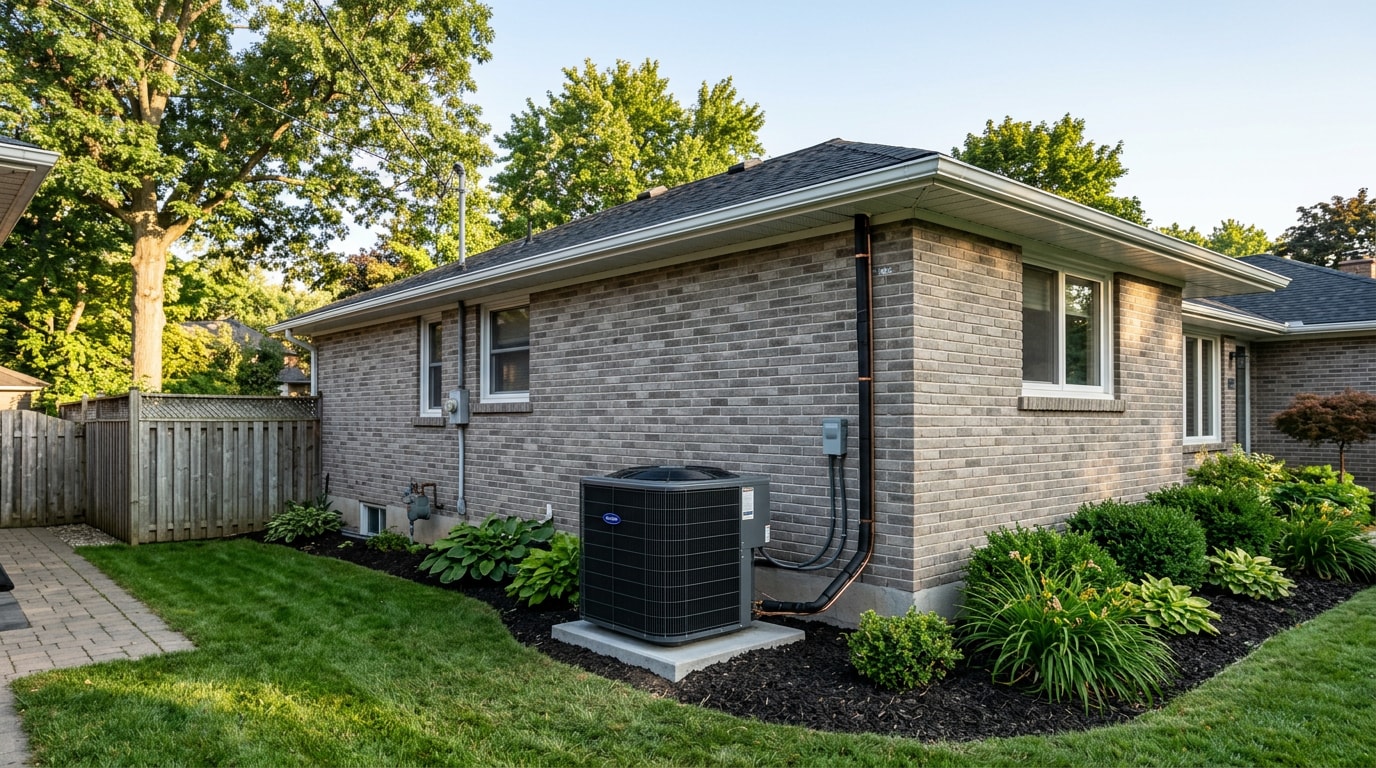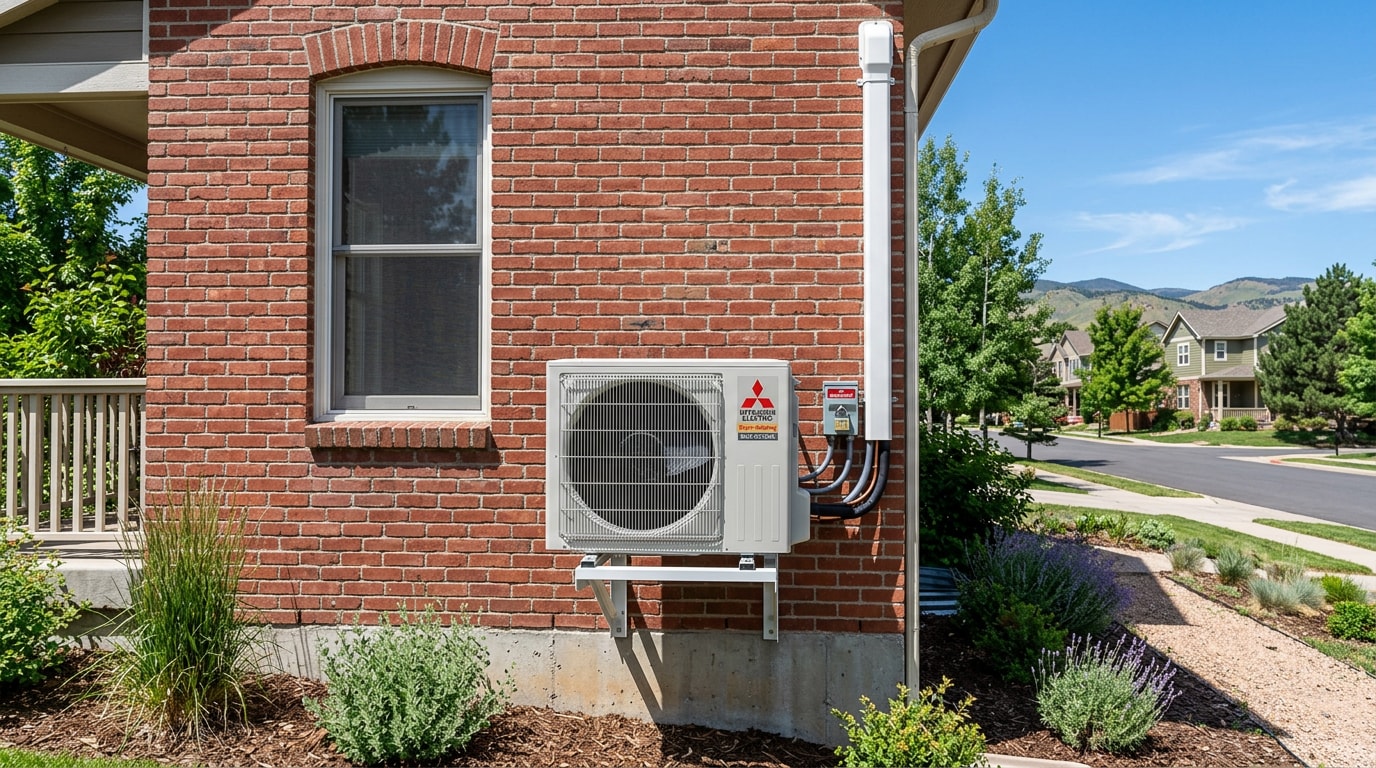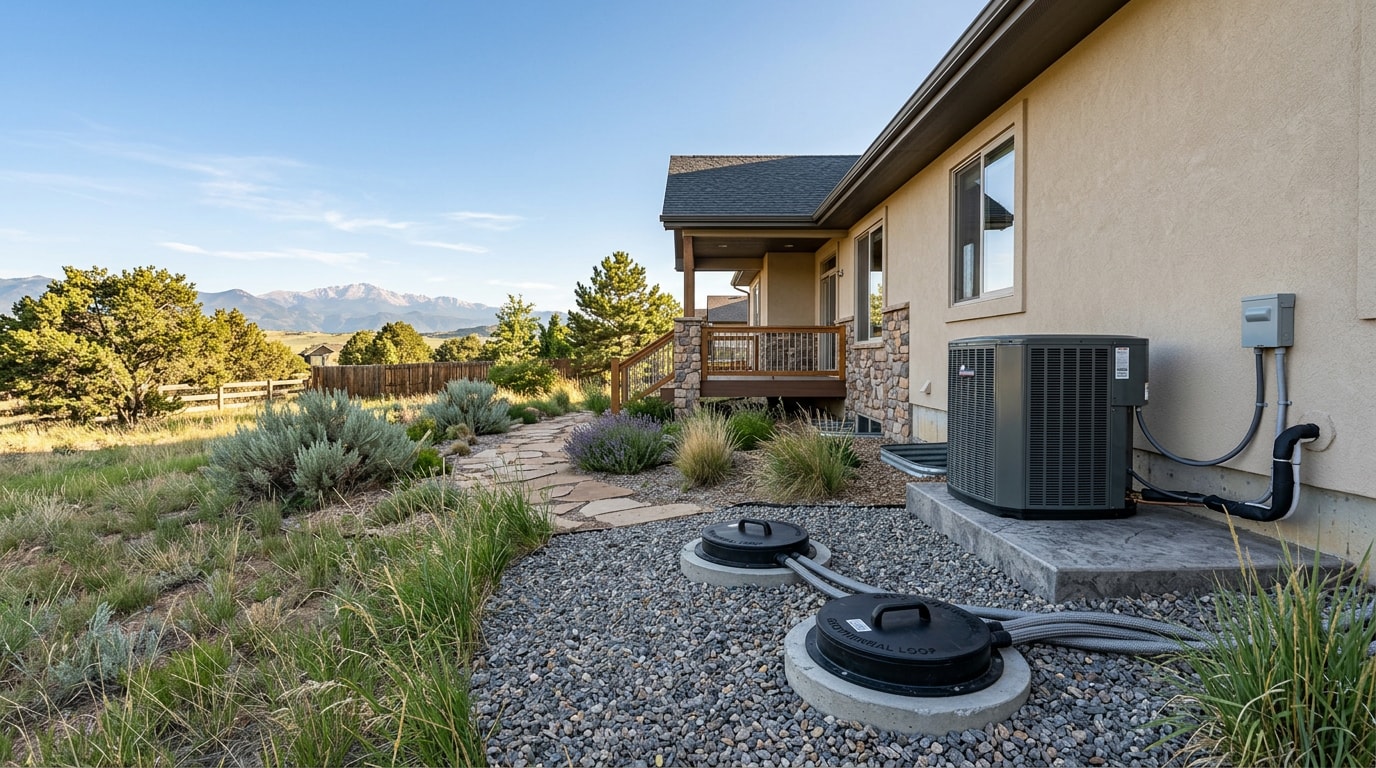
A geothermal heating and cooling system in Pueblo County taps the ground's steady temperature to heat homes through Arctic cold snaps and cool them through 100-degree summer stretches. The federal tax credit that used to anchor the math just disappeared, but a lesser-known state credit took its place in 2026. Here's what that actually means for your budget, your permits, and who should install it.
Visit Iron Ridge Heating & Air to see our services and request a free estimate.
How a Geothermal Heating and Cooling System Works
A geothermal heat pump, also called a ground-source heat pump, moves heat between a building and the earth instead of burning fuel to create it. A geothermal heat pump uses the earth as a heat source and sink through a series of connected pipes buried in the ground, with the loop buried either vertically or horizontally, circulating a fluid that absorbs or deposits heat depending on outside conditions .
A complete system has three parts working together: the underground loop, the heat pump unit, and the indoor air delivery system. When ambient temperatures are colder than the ground, the heat pump removes heat from the collector's fluids, concentrates it, and transfers it to the building; when ambient temperatures are warmer than the ground, the heat pump removes heat from the building and deposits it underground .
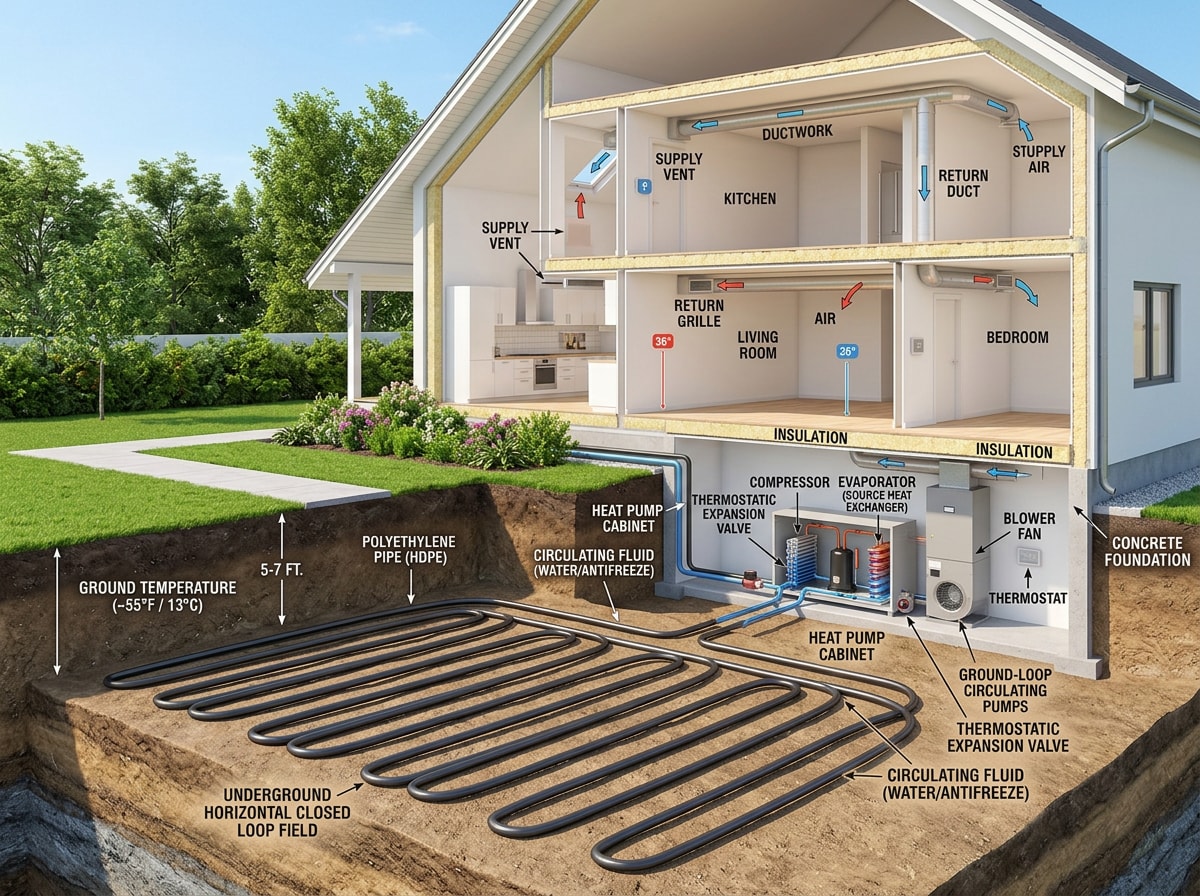
Local Pueblo County lots can typically support horizontal, vertical, pond, or open-loop configurations depending on yard size and soil conditions. Geothermal systems can reduce energy consumption by approximately 25% to 50% compared to air-source heat pump systems, and they reach high efficiencies of 300% to 600% on the coldest winter nights . That efficiency gap is the whole reason the higher install cost tends to pay off over time.
Geothermal Energy Uses: Heating, Cooling & Hot Water
In heating mode, the system pulls warmth out of the ground loop and distributes it indoors. In cooling mode, it reverses, moving heat from inside the house back into the ground. As with any heat pump, geothermal systems are able to heat, cool, and, if so equipped, supply the house with hot water , often through a desuperheater that captures waste heat as a free byproduct.
Some Pueblo County homeowners also add a snowmelt loop for driveways and walkways during installation, since the same ground temperature that heats a house can keep concrete clear through winter storms.
What a Geothermal System Costs in Pueblo County (2026)
A geothermal heating and cooling system runs into five figures for most homes, and loop type drives most of the swing in price. There's no single "right" number here, only a realistic range tied to your lot and soil.
| Loop Type | Typical Use Case | Relative Cost | Notes for Pueblo County |
|---|---|---|---|
| Horizontal | Larger lots with room to trench | Lower | Common on Pueblo West and rural county parcels |
| Vertical | Smaller or tight urban lots | Higher | Needed on many Northside Pueblo and in-town lots |
| Pond/Lake | Property with adjacent water source | Variable | Rare in Pueblo County outside reservoir-adjacent land |
| Open Loop | Sites with suitable well water | Lower equipment cost, site-dependent | Requires a water rights review before quoting |
Rockier or shallower soil pushes vertical-loop drilling costs higher, while easier horizontal trenching lands toward the lower end of regional estimates. Pueblo sits in Black Hills Energy territory, which runs a different rebate structure than Xcel-served Front Range cities, so a quote built around Denver-area numbers won't translate cleanly here.
Colorado's heating load matters more in this math than most online calculators account for. Pueblo's 1991-2020 normal heating degree-day total runs around 5,334 for the year, with 2025 actually finishing below that normal at 4,871 . That's a real, below-normal heating season that still demands a system sized for Pueblo's wide swings, which is part of why efficiency gains compound over a longer ownership period.
One change matters more than any of that for anyone pricing a system in 2026: both Section 25C and Section 25D ended for property placed in service after December 31, 2025 . The 30% federal credit that used to offset geothermal installs outright is gone for anything installed this year, which shifts the payback timeline homeowners should actually run before signing a contract.
2026 Incentives: The Federal Credit Is Gone, Colorado's State Credit Isn't
For years, the federal 25D credit was the backbone of nearly every Colorado geothermal project's financial case. That's no longer the case, and most guides stop there. What they miss is that Colorado quietly runs its own point-of-sale heat pump tax credit, and it specifically includes ground-source systems.
For heat pumps installed on or after January 1, 2026, the state tax credit pays $1,000 for air-source equipment with a $333 minimum customer discount, and $2,000 for ground-source, water-source, or combined-source heat pumps with a $667 minimum customer discount . Registered contractors claim the credit and must pass the required share to the customer as a discount clearly shown on the invoice . This isn't a form you file after the fact. It shows up as a line-item price cut at the time of installation, and only through a contractor registered with the Colorado Energy Office.
That $667 won't replace what the old 30% federal credit paid out, but it's real money most Pueblo County homeowners researching this topic don't know still exists.
Black Hills Energy Rebates for Pueblo County Homeowners
Black Hills Energy serves Pueblo and much of southern Colorado, and its rebate program runs separately from the state credit above and separately from whatever Xcel Energy advertises for Front Range projects. Black Hills Energy's residential rebate program has paid $1,700 for an ENERGY STAR geothermal heat pump meeting minimum efficiency requirements in recent program years. Rebate amounts and eligibility requirements reset annually, so confirm the current-year figure directly with Black Hills Energy's residential rebate program before finalizing a project budget.
Stacking the state credit's $667 minimum discount with a Black Hills rebate can meaningfully soften the loss of the federal credit, even if it doesn't fully replace it.
Installing Geothermal in Pueblo County: Loops, Drilling & Permits
The indoor portion of a geothermal system looks like a standard residential heat pump. The outdoor portion, the loop field, is where the real engineering happens, and it's not a job for a general HVAC technician working outside their training.
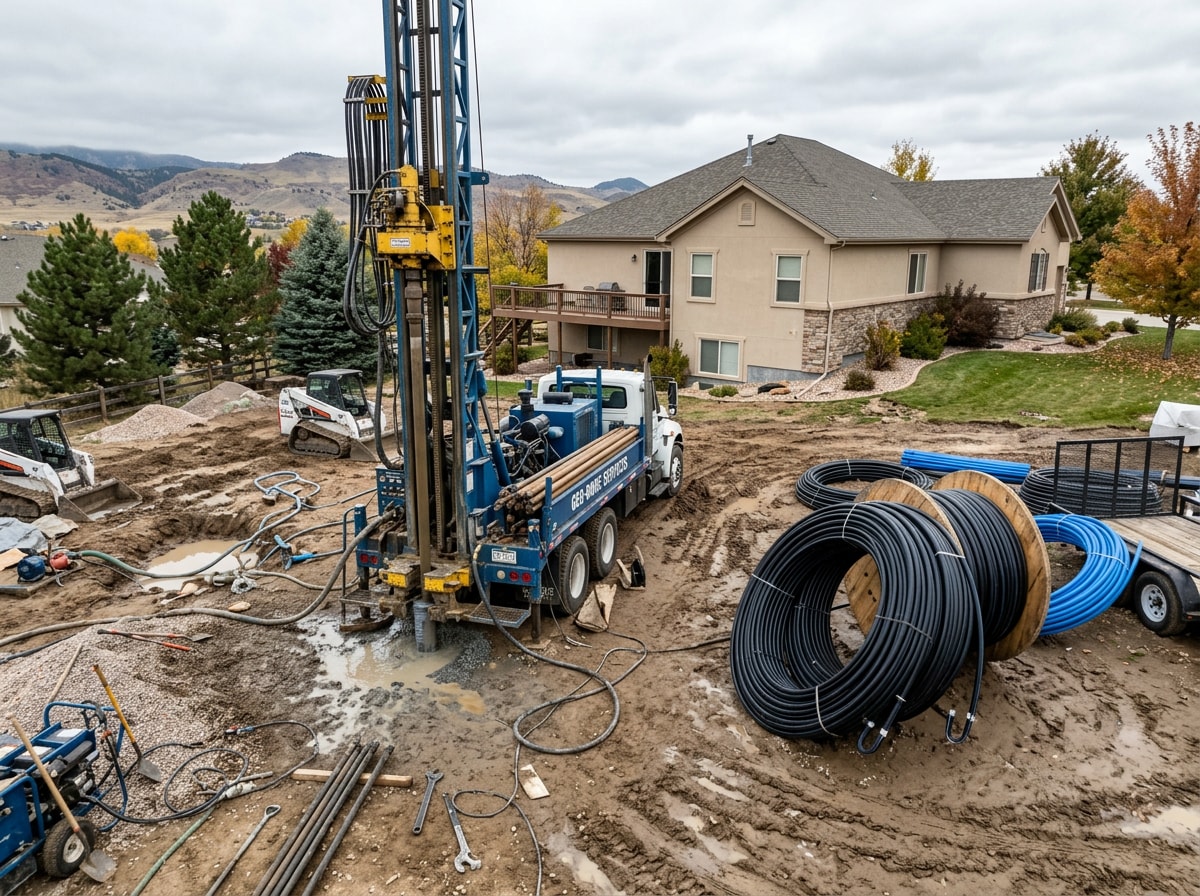
Whether a property needs a vertical or horizontal loop usually comes down to lot size. Tighter in-town lots in Pueblo and Northside Pueblo often need vertical drilling, while larger county parcels can accommodate cheaper horizontal trenching. A properly installed loop field is built to run for decades, which is part of why the upfront drilling investment matters so much to get right the first time.
Permitting runs through the state, not just the local building department. Geoexchange systems don't require a site-specific permit for construction or operation, but installers must obtain certification and an annual permit from the State Engineer before construction . Separate use permits are issued by the Division of Water Resources for groundwater use, with a focus on ensuring compliance with Colorado water law . Your contractor still needs to pull a local mechanical or building permit on top of that. Review the current rules on the Colorado Division of Water Resources' geothermal regulations page before signing a contract, and confirm your installer is including both the state certification and the local permit in their quote.
Geothermal systems work in new construction and as retrofits into existing homes, so a good contractor conversation should cover both scenarios rather than assuming one approach fits every property. If you're weighing geothermal against a more conventional upgrade, our energy-efficiency system upgrades page breaks down other paths to lower utility bills that don't require drilling.
Choosing a Qualified Geothermal Installer in Pueblo County
Ground-source heat pumps are notably quiet and, per DOE figures above, can run for decades on the ground-loop side alone. That long service life is exactly why the installer you choose matters more here than on a standard furnace swap.
Ask any prospective geothermal contractor about IGSHPA certification and factory training with major equipment manufacturers like WaterFurnace or ClimateMaster. These credentials don't guarantee flawless work, but they're a fair filter for narrowing down who's actually qualified to size a loop field correctly for Pueblo County's soil conditions.
We've fielded plenty of calls from Pueblo County homeowners who got a geothermal quote from an out-of-area contractor with no plan for the state well permit or the Black Hills Energy rebate paperwork. If you're comparing bids, contact us for a second opinion before you sign, or start with a broader look at our HVAC contractor services to see how we approach heating and cooling upgrades across the county.
Is Geothermal Worth It in Pueblo County?
The honest answer depends on how long you plan to stay in the home and how your lot drills. Here's the trade-off as we see it after years of HVAC work across Pueblo County and Northside Pueblo:
- Pros: Lower operating costs than a furnace or standard heat pump, 50+ year loop life, quiet operation, works through Pueblo's hottest summer days and coldest winter snaps without losing efficiency.
- Cons: High upfront cost, drilling conditions vary block to block, the federal credit that used to shorten payback is gone, and not every lot has room for an efficient loop configuration.
If your current system is failing and you're weighing options, it's worth comparing geothermal against a heat pump replacement or standard heat pump repair before committing to a full loop installation. For homes already on a tighter maintenance budget, our Heating System Tune-Up in Pueblo, CO guide covers what a well-maintained conventional system can still deliver.
Iron Ridge Heating & Air has spent years servicing heating and cooling systems across Pueblo County, and we'd rather walk a homeowner through an honest break-even timeline than oversell a system that doesn't fit their lot. If geothermal makes sense for your property, get a free estimate before the next heating season.
FAQ
How much does a geothermal heating and cooling system cost in Pueblo County?
Most residential installations fall into a five-figure range, with loop type and home size driving most of the variation. Vertical loops cost more upfront than horizontal loops because of drilling requirements, so a site visit is the only way to get an accurate price.
Is there still a tax credit for geothermal in 2026?
The 30% federal credit is gone for anything placed in service after December 31, 2025. Colorado's own state heat pump tax credit is still active, though, paying a $2,000 credit with a $667 minimum customer discount for ground-source systems installed through a registered contractor.
Does Black Hills Energy offer a rebate for geothermal heat pumps?
Yes, Black Hills Energy has run a residential rebate for ENERGY STAR-qualified geothermal heat pumps in recent program years, separate from the state tax credit. Amounts and eligibility reset annually, so confirm the current figure before budgeting a project.
How long does a geothermal system last?
The indoor heat pump unit typically lasts up to 24 years with proper maintenance, while the underground loop is built to run 50 or more years. That long loop life is a big part of why the higher installation cost can pay off over time.
What permits are required for a geothermal system in Pueblo County?
Geoexchange installers need certification and an annual permit from the State Engineer, plus a separate use permit from the Division of Water Resources for groundwater use. Your contractor also needs to pull a local mechanical or building permit through Pueblo County.
Is geothermal worth it in Colorado's climate?
For many homes, yes. Colorado's heating demand means an efficient system saves meaningfully on energy costs over time, but the payback period runs longer now that the federal credit has expired, so it's worth running the numbers against your specific lot and loop type before committing.