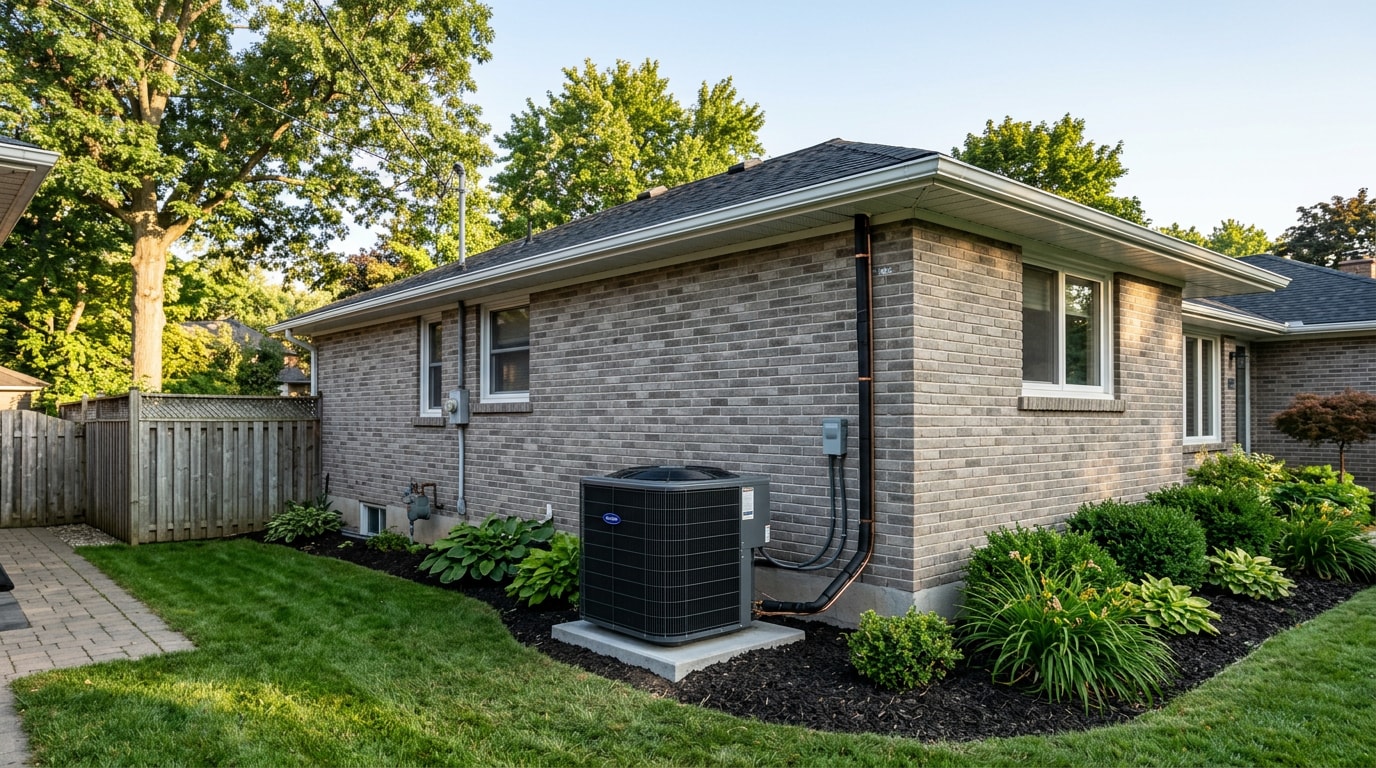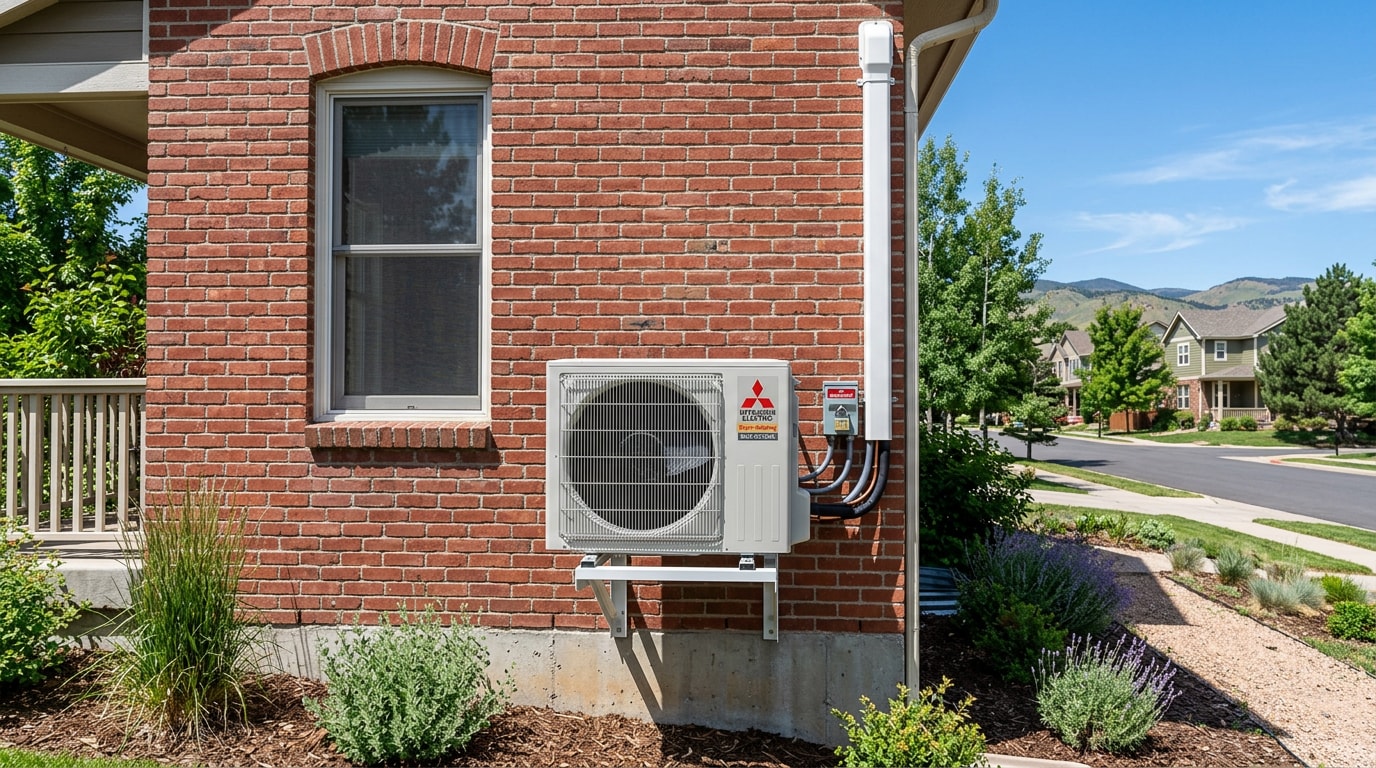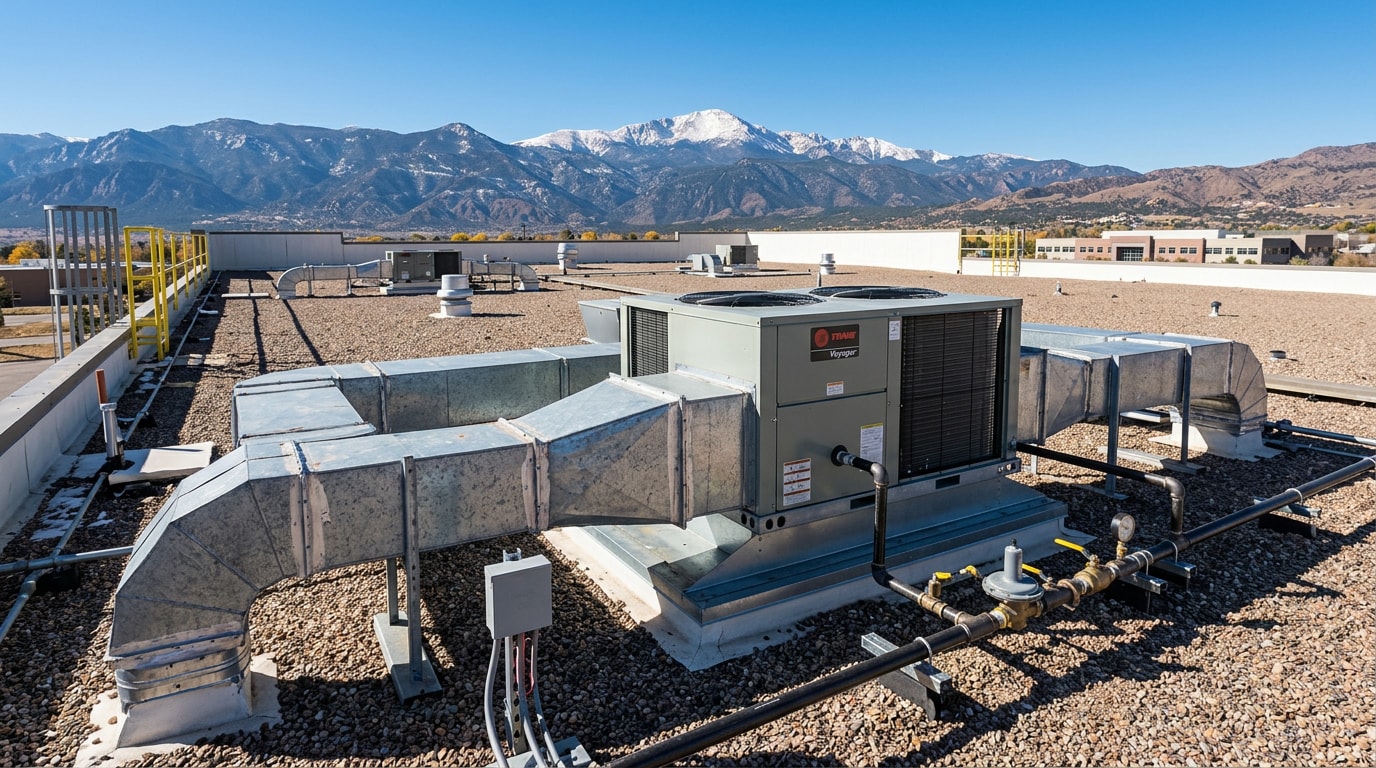
Finding the right hvac mechanical contractors Colorado Springs, CO property owners can rely on takes more than a quick search and a phone call. A true mechanical contractor handles heating, cooling, piping, and ventilation as one connected system, not a grab-bag of separate repairs. This guide breaks down what that license actually covers, what Colorado Springs' altitude does to your equipment, and how to tell a qualified contractor from a sales pitch.
What Is a Mechanical Contractor, and How Is It Different From an HVAC Contractor?
The terms get used interchangeably in marketing, but they are not the same scope of work. An HVAC contractor typically focuses on furnaces, air conditioners, and heat pumps. A mechanical contractor's license usually covers that plus boilers, gas piping, refrigeration, and ventilation design for larger or more complex buildings.
| Scope of Work | HVAC Contractor | Mechanical Contractor |
|---|---|---|
| Furnace & AC repair/install | Yes | Yes |
| Heat pump service | Yes | Yes |
| Gas piping | Sometimes | Yes |
| Boiler systems | Rarely | Yes |
| Multi-zone commercial ventilation | Rarely | Yes |
| Refrigeration | No | Often |
For most homeowners, an HVAC-focused contractor covers everything needed. For churches, schools, medical offices, and multi-tenant buildings with boilers or complex piping, the broader mechanical license matters.
Licensed Mechanical Contractors in Colorado Springs: What the Law Actually Requires
Colorado has no statewide HVAC or mechanical contractor license. Authority sits with local jurisdictions instead. Pikes Peak Regional Building Department was created by the Colorado Springs and El Paso County governments in 1966 to ensure a unified minimum standard for construction, electrical, plumbing and mechanical work. That means every contractor working on a furnace, boiler, or AC system in the area needs a current PPRBD license, not just a state business registration.
PPRBD breaks mechanical licensing into tiers based on the size and type of structure being worked on:
| License Type | Covers |
|---|---|
| Mechanical Contractor A | Commercial: gas piping, heating, ventilation, and AC in any size structure |
| Mechanical Contractor B | Residential: one- and two-family dwellings up to three stories |
| Mechanical Contractor C | Specialty, single-trade work such as gas piping only |
| Mechanical Contractor E | Elevators and escalators |
Permits are required for construction, installation, and replacement of water heaters, boilers, furnaces, air conditioning systems, and similar equipment. A licensed contractor pulls that permit as part of the job. If a bid doesn't mention a permit for a full system replacement, ask why before you sign anything.
BBB accreditation is a secondary signal worth checking, but it doesn't replace license verification. You can confirm any contractor's current license status directly through PPRBD's license lookup before work begins.
Emergency HVAC & Mechanical Repair When You Need It Most
A dead furnace in January or a failed rooftop unit mid-shift is not a wait-and-see situation. Look for a contractor who actually answers the phone after hours, not a voicemail that rolls to a call center.
What a real emergency response looks like:
- Same-day dispatch, often within hours of the call
- A technician who can diagnose furnace, boiler, and AC failures on the same truck
- Transparent pricing before work starts, including after-hours rates
- Follow-up documentation for insurance or property management records
See our emergency HVAC repair services for what that response looks like in practice, or get a free estimate before a small issue turns into a 2 a.m. call.
Residential & Commercial HVAC Services a Mechanical Contractor Coordinates
A property's comfort systems rarely fail in isolation. A clogged filter strains the blower motor; an undersized return starves the whole system. Here's the core work that falls under this umbrella:
- Furnace repair and furnace replacement
- AC repair, AC installation, and AC replacement
- Heat pump repair and heat pump replacement
- Central air add-on installations for homes without existing ductwork
- Energy-efficiency system upgrades
- Gas furnace maintenance and tune-ups and furnace diagnostics and safety inspections
Commercial properties add another layer. Churches, schools, and medical offices run multi-zone controls and makeup-air requirements that a residential-only technician rarely sees day to day.
Boilers, High-Altitude Sizing, and Why Elevation Changes the Math
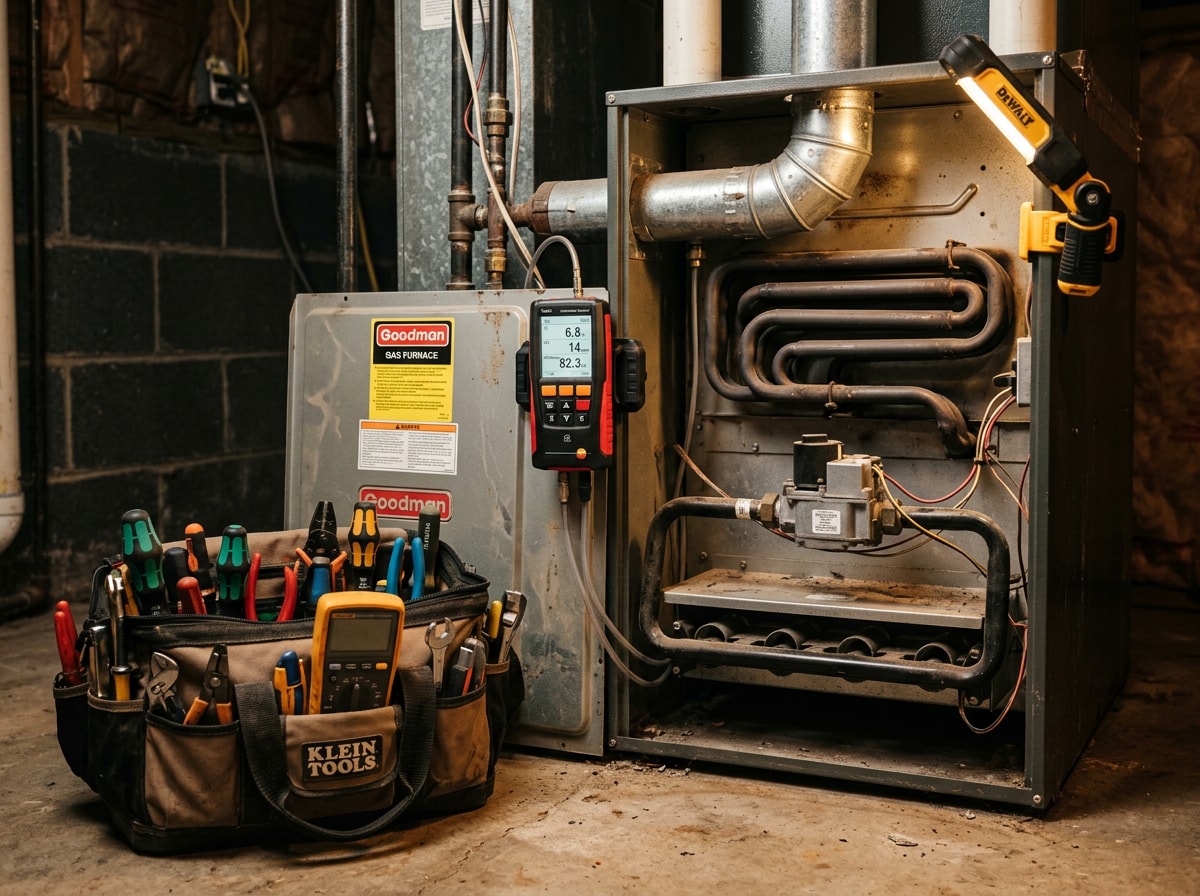
Colorado Springs sits at roughly 6,000 feet. That altitude isn't just a Denver joke, it changes how combustion equipment is rated and installed. Gas furnaces are tested and rated at sea level, then derated for elevation.
Most furnaces require a 4 percent derate per 1,000 feet of elevation when installed above 2,000 feet of elevation , which means a furnace sized off a sea-level chart will either short-cycle or struggle to keep up on the coldest mornings. A contractor who skips this step on a replacement is setting the system up to underperform from day one.
Boilers face a related sizing issue. Before buying a new boiler or modifying an existing unit, a heating contractor should rightsize the equipment, since a properly sized boiler operates more efficiently and saves money over its lifetime. Routine maintenance matters just as much as initial sizing. Catching soot buildup, scale, or a failing burner early avoids an emergency shutdown during the first hard freeze.
Anyone replacing a furnace, boiler, or AC system in El Paso County needs a permit through PPRBD regardless of altitude considerations. A licensed contractor handles that paperwork as part of the job, not as an upcharge.
Specialty Certifications: Why Unico and Aeroseal Matter
Not every HVAC company carries manufacturer-specific training, and these two certifications separate a general technician from a specialist.
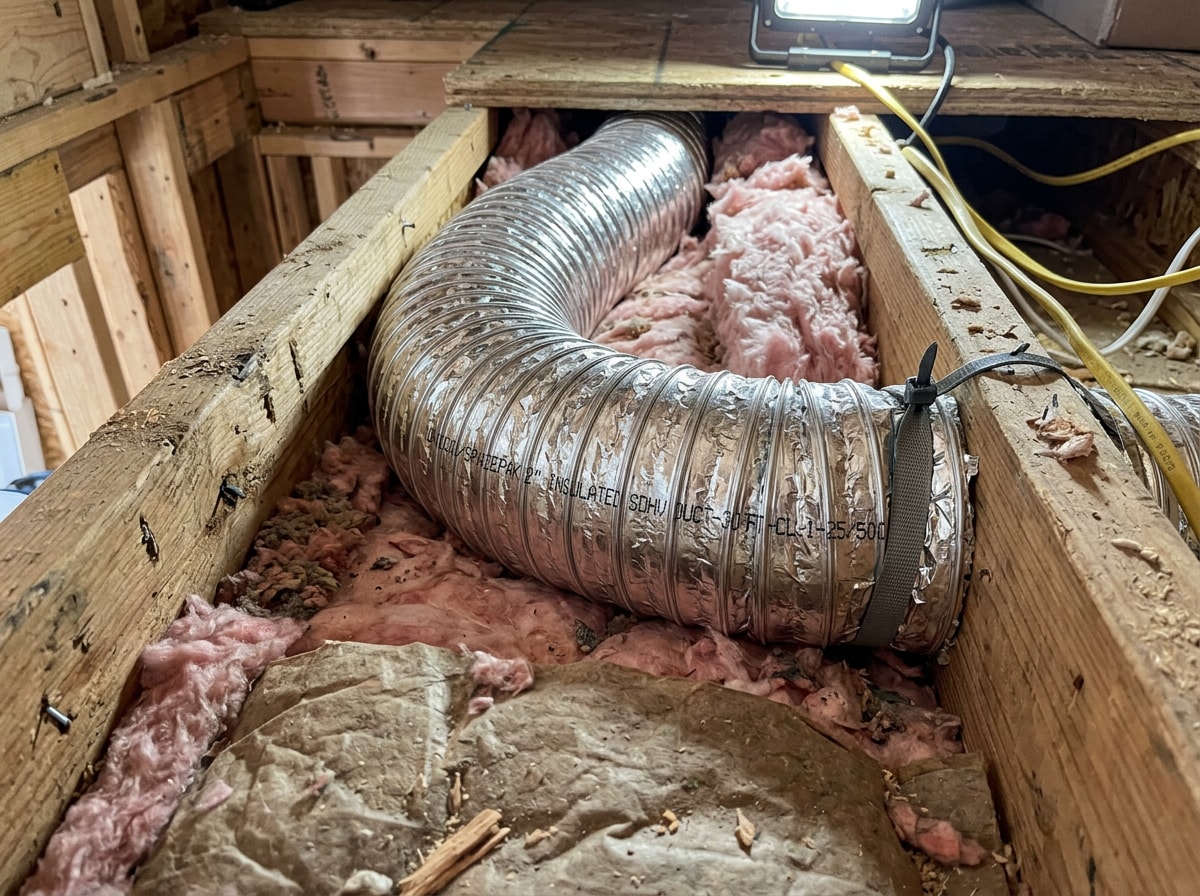
Unico Systems. The Unico system is a small-duct, high-velocity design that moves conditioned air through flexible 2-inch tubing instead of bulky metal ducts. It's often the practical fix for historic homes or additions where standard ductwork won't fit without tearing out plaster or ceilings.
Aeroseal Duct Sealing. Aeroseal injects a fine sealant that bonds inside existing ductwork, closing leaks without opening walls. In a typical house, about 20 percent of the air that moves through the duct system is lost due to leaks, holes, and poorly connected ducts. Sealing that gap directly improves comfort and lowers the load on the equipment itself. Pair it with an airflow diagnostics check to find where the losses are actually happening before paying for a fix.
Why Local Experience Still Wins in Colorado Springs
National chains advertise low flat rates, then discover the quirks that local techs already know: 1960s Westside homes with original ductwork, newer builds near Banning Lewis Ranch, and a military population that PCS's in and out every few years and needs fast answers, not a sales pitch.
In our service calls across the region, the most common failure point on homes built before 1985 is original ductwork that was never upsized when a bigger furnace replaced the original unit. That mismatch shows up as uneven heat, loud airflow, and short-cycling, not just a straightforward "the furnace is broken" complaint. Experienced local techs also factor in the region's wide day-to-night temperature swings when setting thermostats and system staging.
Explore HVAC contractor services built around these local conditions, or see how we've approached similar jobs in our Colorado Springs service area. For a deeper look at system sizing and installation costs specific to this market, see our guide on AC unit replacement in Colorado Springs.
How to Choose the Right HVAC Mechanical Contractor
Use this checklist before signing a contract:
- Confirm a current PPRBD mechanical license, not just a business license
- Ask for proof of liability insurance
- Get a written estimate that itemizes equipment, labor, and permit fees
- Ask whether altitude derating was factored into the sizing calculation
- Check for manufacturer-specific training (Unico, Aeroseal, or similar)
- Confirm actual emergency availability, not just a listed phone number
A contractor who hesitates on any of these is worth a second opinion. Get a free estimate from Iron Ridge Heating and compare it against what you've already been quoted.
FAQ
What is the difference between a mechanical contractor and an HVAC contractor?
An HVAC contractor focuses on heating and cooling equipment: furnaces, air conditioners, and heat pumps. A mechanical contractor's scope typically also covers boilers, gas piping, ventilation design, and refrigeration, which matters most for commercial buildings and multi-system properties.
Do I need a permit for HVAC installation or replacement in Colorado Springs?
Yes. Furnace, AC, heat pump, and boiler replacements require a permit through the Pikes Peak Regional Building Department. A licensed contractor pulls this permit as part of the job.
Are HVAC and mechanical contractors required to be licensed in Colorado Springs?
Colorado has no statewide HVAC license. Local licensing through PPRBD is required instead, with separate tiers for commercial (Mechanical Contractor A) and residential (Mechanical Contractor B) work.
When should I hire a mechanical contractor instead of an HVAC-only contractor?
Multi-system commercial projects involving boilers, piping, and ventilation design call for a full mechanical contractor license. Single-system residential furnace, AC, or heat pump work is well within an HVAC-focused contractor's scope.
Does altitude really affect furnace performance in Colorado Springs?
Yes. Furnaces are rated at sea level and lose roughly 4 percent of rated output for every 1,000 feet of elevation above 2,000 feet. A contractor who doesn't account for this when sizing a replacement can leave you with a furnace that struggles on the coldest days.
How fast can I get emergency HVAC repair in Colorado Springs?
Most reputable contractors dispatch a technician the same day, often within a few hours of the call. Confirm after-hours availability and pricing before you need it, not during the emergency itself.