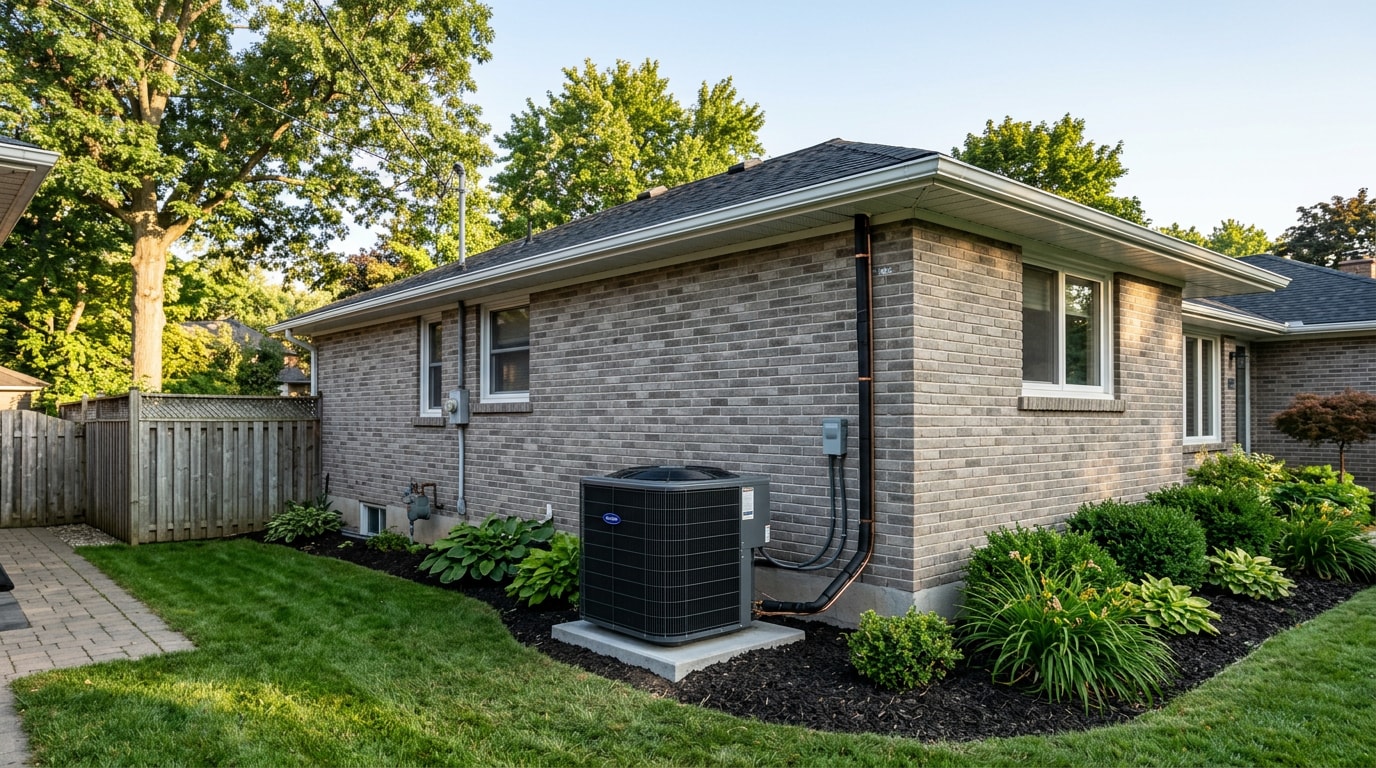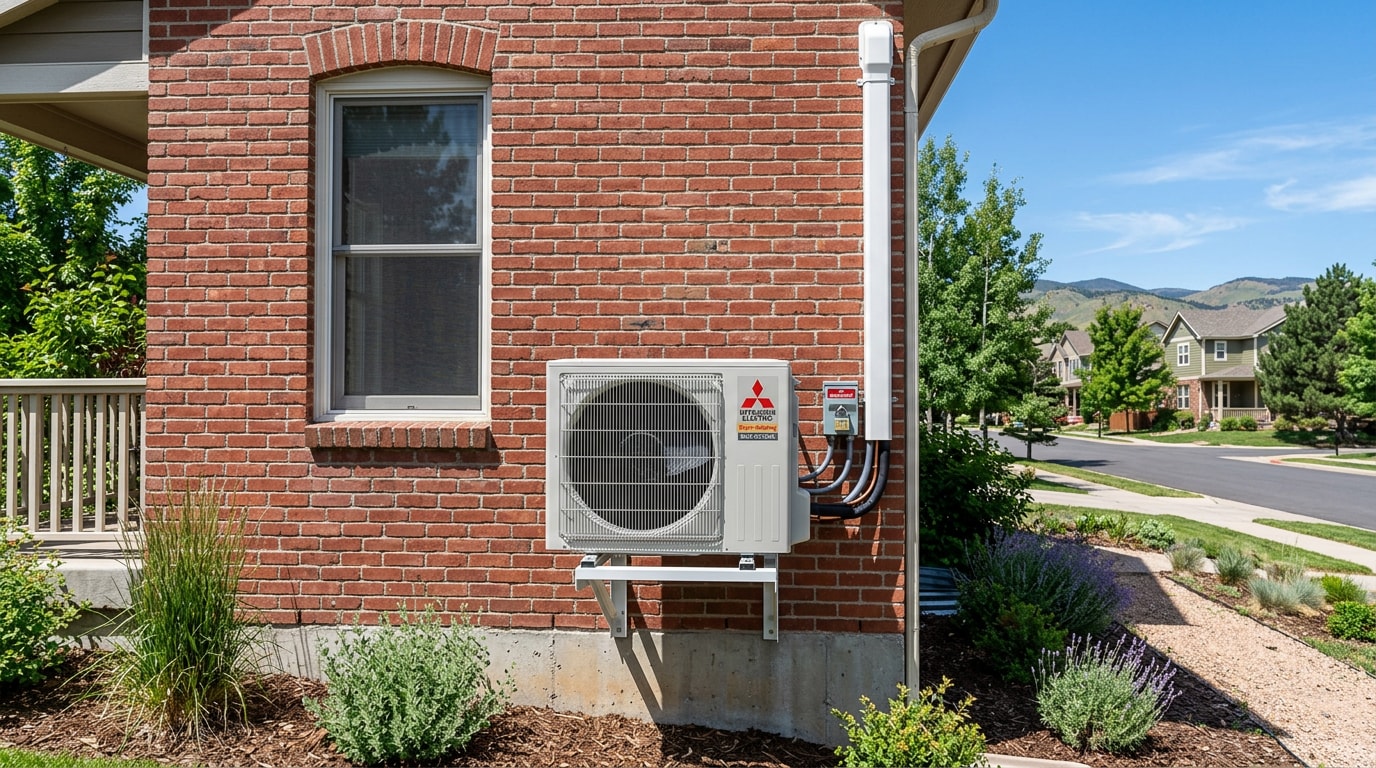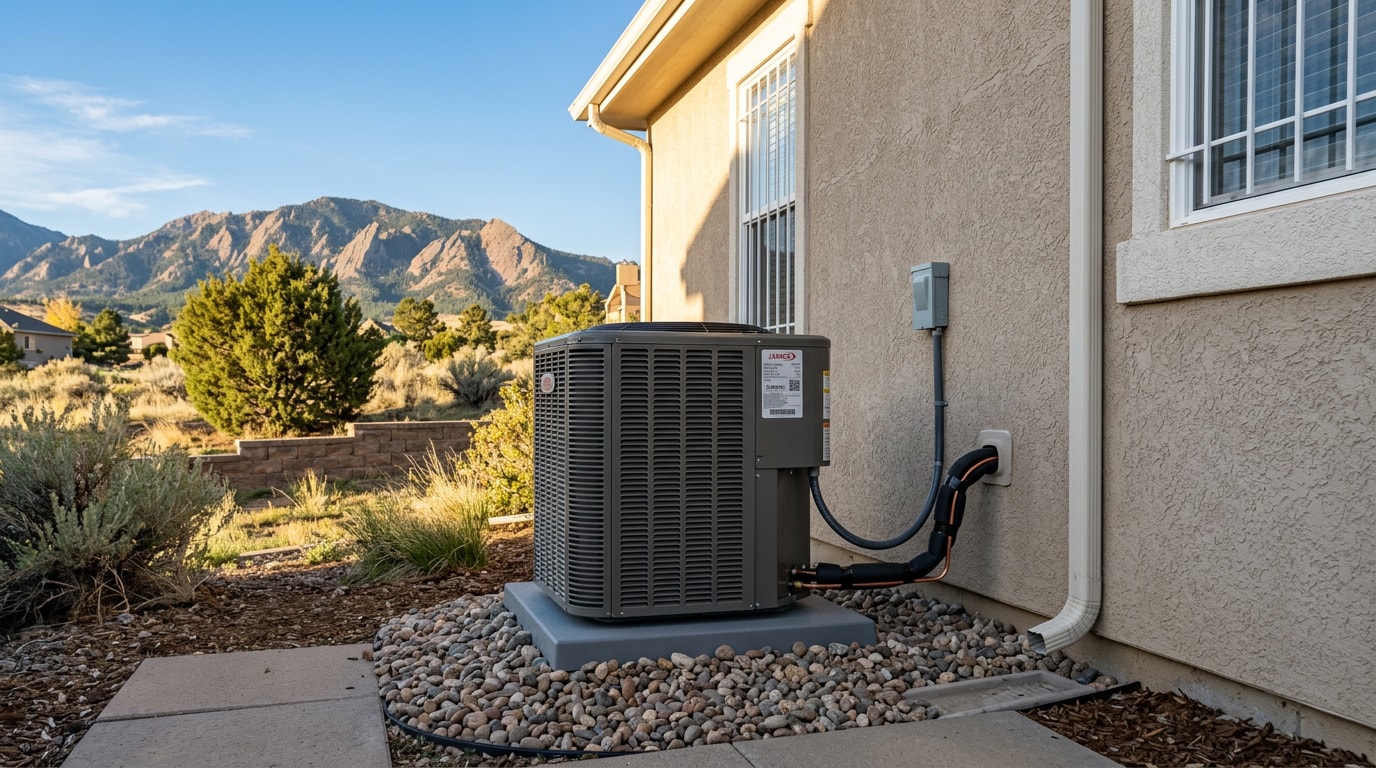
Why does AC freeze up in Northside Pueblo homes even during the hottest weeks of July? It happens when something interrupts the normal flow of warm air or refrigerant through the system, and the fix depends entirely on which part of that cycle broke down. Here's how to tell the difference before you spend money on the wrong repair.
What Causes an Air Conditioner to Freeze Up
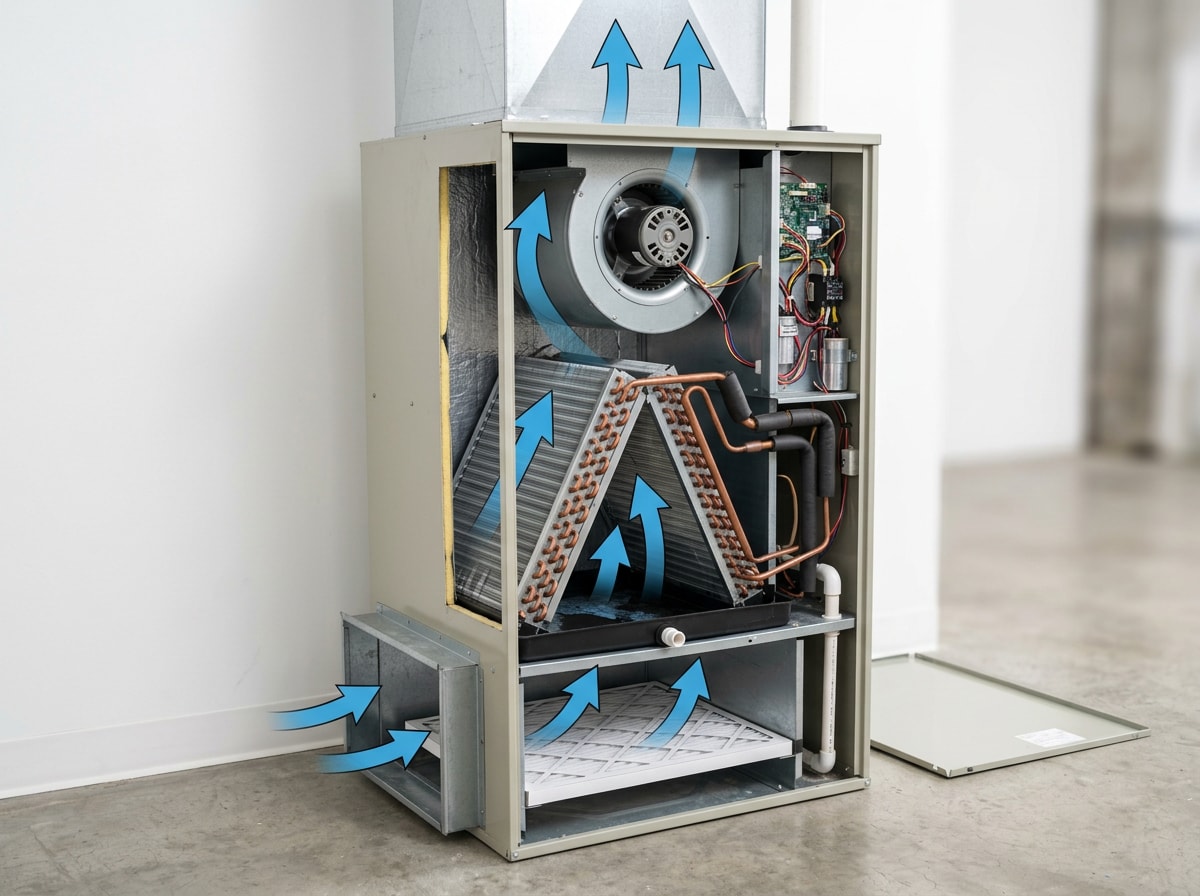
An air conditioner stays ice-free because warm household air constantly flows across the evaporator coil, keeping its surface temperature above freezing even though the refrigerant inside runs cold. When airflow slows down or refrigerant pressure drops, the coil gets too cold, moisture in the air condenses on it, and that condensation turns to ice instead of draining away.
Nearly every frozen AC case traces back to one of two problems: restricted airflow or low refrigerant pressure. Both eventually produce the same result, a frozen evaporator coil coated in ice, but the root cause and the repair path look very different. Our technicians see this exact call pattern every summer across Northside Pueblo once the afternoon heat sets in.
The Most Common Causes of a Frozen AC Coil
Several mechanical issues show up again and again in service calls, and they don't all carry equal weight. The table below reflects the general pattern HVAC resources and field technicians commonly report, not a scientific survey, but a useful starting point before you decide whether to try a fix yourself or call someone in.
| Frozen AC Cause | How Often It Shows Up | Typical Repair Path |
|---|---|---|
| Dirty or clogged filter | Most common | DIY-friendly |
| Low refrigerant / leak | Very common | Professional required |
| Blocked vents or registers | Occasional | DIY-friendly |
| Dirty evaporator coil | Occasional | Usually professional |
| Failing blower fan or thermostat | Less common | Professional required |
If your symptoms match more than one row, start with the free, DIY-friendly checks first. For anything involving refrigerant or coil access, schedule a visit through AC repair services rather than guessing.
Dirty or Clogged Air Filter
A dirty filter is consistently the single most common cause of a frozen coil because it physically chokes the air moving across it. Less airflow means the coil runs colder than it's designed to, and ice can start forming within hours in severe cases.
You can usually tell a filter needs attention just by holding it up to light. If you can't see light passing through, it's time to replace it. ENERGY STAR's own guidance recommends checking your air filter once a month in your central air conditioner, furnace, and/or heat pump , and homes with pets or during dusty Pueblo wind events may need it changed even more often. A neglected filter also strains the blower motor, so this is one of the cheapest problems to prevent.
Low Refrigerant Levels or a Leak
Refrigerant runs through a sealed, closed loop, so low refrigerant almost always means a leak somewhere in the lines or coil. It's never a substance that simply gets used up over time the way fuel does. When charge drops, pressure inside the coil falls too low, and the coil's surface temperature drops below freezing even with normal airflow.
This is one cause homeowners genuinely cannot fix themselves. EPA regulations under Section 608 of the Clean Air Act require that technicians who maintain, service, repair, or dispose of equipment that could release ozone depleting refrigerants must be certified , which is why a licensed tech, not a home remedy, is the only legal path to diagnosing a leak and recharging the system. A quick top-off without locating the leak rarely holds for long, since the coil will simply freeze again once pressure drops a second time.
Blocked Vents or Return Registers
Furniture pushed against a vent, a rug covering a floor register, or rooms with closed registers can all restrict the air your system needs to move across the coil. This is one of the easiest causes to rule out before calling anyone.
Walk through your home and confirm every supply vent and return grille is open and unobstructed. Pay close attention to rarely used rooms, where vents often get closed to "save energy" but instead starve the whole system of return air. If airflow still feels weak after clearing vents, an airflow diagnostics visit can pinpoint a duct or pressure problem you can't see from the living room.
Dirty Evaporator Coil
Dust and debris that build up directly on the coil act like a layer of insulation, blocking the heat transfer that's supposed to happen between warm household air and the cold refrigerant inside. Over time, a dirty coil can freeze even when airflow and refrigerant levels are otherwise normal.
Coil cleaning typically requires partial disassembly, so this usually falls under professional maintenance rather than a weekend project.
Failing Blower Fan or Thermostat Problems
A blower fan that's running slow, rattling, or has stopped completely won't push enough warm air across the coil, and the result looks identical to a dirty filter from the outside. A miscalibrated or failing thermostat can cause the same problem by running the compressor longer than it should, especially overnight when the house is already cool. Neither of these is something to diagnose by ear alone, so mention any unusual noise or run-time pattern to your technician.
How Northside Pueblo's Climate Plays a Role
Running your air conditioner when outdoor temperatures drop too low can cause the coil to overcool and freeze, even if nothing is mechanically wrong with the system. Some HVAC sources note that most systems struggle when outdoor temperatures drop below 60°F , which matters more in a place like Northside Pueblo than in flatter, lower-elevation markets.
Pueblo sits at the confluence of the Arkansas River and Fountain Creek, in a semi-arid climate zone , with an elevation of roughly 4,692 feet . That combination of thin air and high desert geography means cooler evenings are common even after a scorching afternoon, so running AC late at night or during shoulder-season weather is more likely to trigger a freeze-up here than in a humid, low-elevation city. Treat this as one possible factor, not the default explanation, especially if your filter and vents already check out fine.
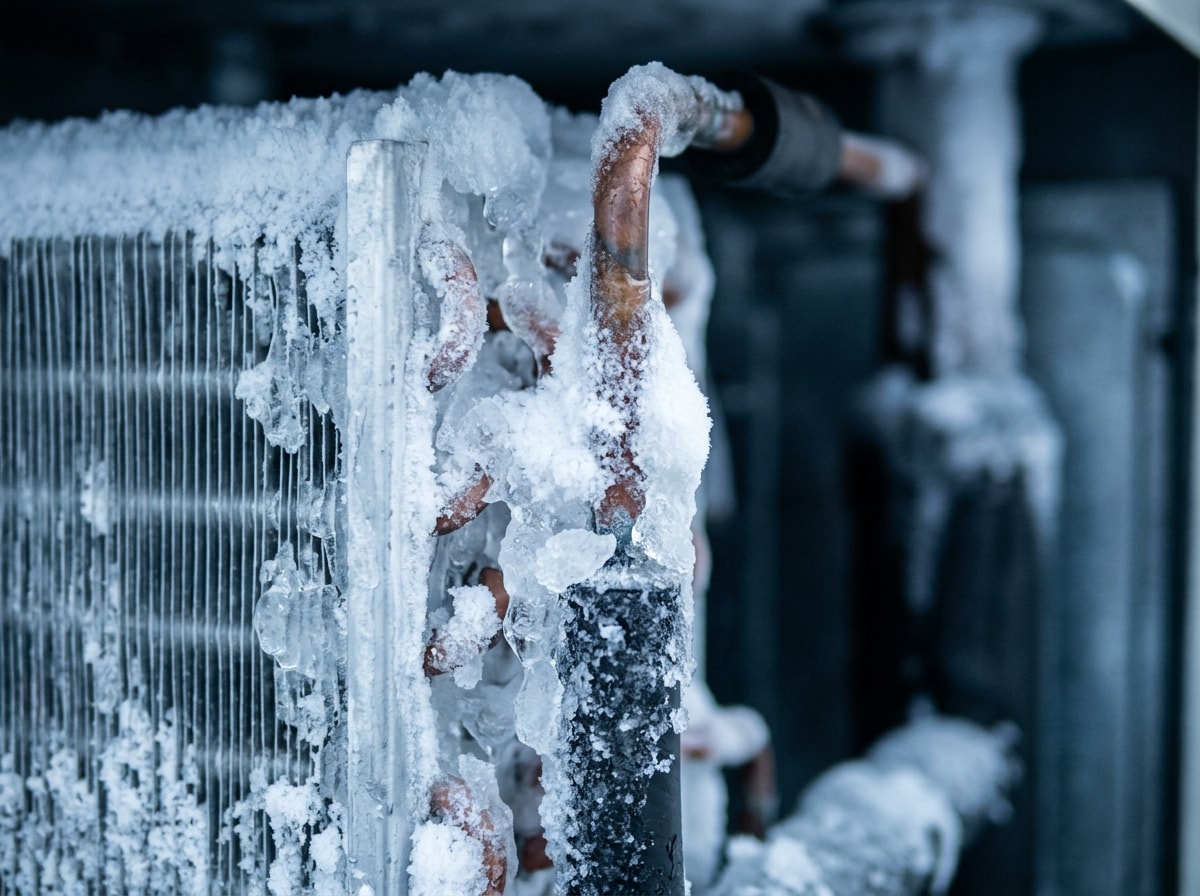
Signs Your AC Is About to Freeze Up
Catching the early warning signs before full ice buildup can save you a multi-hour repair delay. The most reliable early indicator is a noticeable drop in cooling performance paired with unusually weak airflow from the vents, even though the thermostat hasn't changed.
Rooms that stay warm despite a normal thermostat setting are often the first sign something's wrong, before you ever see visible ice. If vents that normally blow strong, cold air start feeling weak or lukewarm, the coil may already be partially iced over and worth checking before it gets worse.
What to Do If Your AC Already Froze
- Turn the cooling off at the thermostat. Continuing to run the compressor against a blocked, ice-covered coil can cause expensive internal damage, so this step matters more than diagnosing the cause right away.
- Switch the fan setting from "auto" to "on." This keeps air moving across the coil without the compressor running, which helps melt the ice gradually and safely.
- Never chip, scrape, or pick at the ice. Line sets and coil fins are fragile, and physical damage here often costs more to fix than the original freeze-up.
- Let it thaw fully. Depending on how much ice built up, thawing can take anywhere from a couple of hours to a full day.
- Check the easy fixes, then restart. Once it's thawed, swap the filter and check vents before running the system again.
If it refreezes quickly after restarting, that's a strong signal the cause is refrigerant or coil-related, and it's time to call a technician. For situations that can't wait, emergency HVAC repair services can get someone out the same day.
Preventing Future AC Freeze-Ups in Northside Pueblo
Most frozen-AC calls are preventable with a handful of routine habits. Check and replace your filter on a consistent schedule, more often during Pueblo's dustier spring and summer stretches, since wind-driven dust and pollen load filters faster here than in many regions. Keep all vents and returns open throughout the house, even in rooms you don't use often, to avoid pressure imbalances that strain the whole system.
A yearly tune-up of your heating and cooling system can improve efficiency and comfort , according to ENERGY STAR's own cooling system guidance. Given Pueblo's elevation and the wide day-to-night temperature swings common at this altitude, it's worth having a technician check refrigerant charge and coil condition once a year, ideally before peak summer heat. You can also review the Department of Energy's air conditioner maintenance checklist for homeowner-level upkeep between professional visits.
A seasonal HVAC maintenance and tune-up catches a slightly dirty coil or a minor refrigerant leak before it turns into a full freeze-up. If your system is freezing repeatedly despite regular maintenance, that's often a sign the unit is undersized, aging, or simply worn out, and an AC replacement may cost less over time than chasing the same repair every summer. If you're looking for a technician who knows local conditions, see our Northside Pueblo service area or visit our homepage to see the full range of HVAC work we handle.
FAQ
Will a frozen AC unit fix itself?
No. A frozen AC unit won't resolve on its own, and leaving it running risks real damage. The compressor isn't designed to work against a blocked, ice-covered coil, and continued operation can cause it to overheat or fail entirely.
How long does it take for a frozen AC to thaw?
Thaw time depends on how much ice built up, but it typically ranges from a few hours to about 24 hours. Setting the thermostat to off and the fan to on speeds up the process by keeping air moving across the coil without the compressor running.
Is it safe to run my AC when it's frozen?
No. The compressor can strain against the blockage and sustain damage that's far more expensive to repair than the original freeze-up. Shut cooling off and let the unit thaw before running it again.
Can I fix a frozen AC myself, or do I need a professional?
Some causes are genuinely DIY-friendly, like swapping a dirty filter or clearing blocked vents. Others, like refrigerant leaks, blower motor issues, or coil cleaning, require certified tools and training to fix safely. If basic checks don't solve it, scheduling a service visit with a licensed technician is the safer route.
At what temperature does an AC unit freeze up?
There's no single universal number, but many systems start to struggle once outdoor temperatures drop below roughly 60°F . Running cooling during cool Pueblo evenings or shoulder-season days can overcool the coil even on an otherwise healthy system.
Why does my AC freeze up at night in Northside Pueblo?
Pueblo's high desert elevation means temperatures can drop fast after sunset, even following a hot afternoon. Running the AC on a low thermostat setting during those cooler hours can push the evaporator coil below its normal operating range, especially if the filter is already a little dirty.
Still seeing ice after checking your filter and vents? Get a free estimate and our technicians will find the root cause before it becomes a bigger repair.
Reviewed by a lead HVAC technician at Ironridge Heating, EPA 608 certified, serving Northside Pueblo and surrounding Pueblo County homes since 2014.